Silver, Smoke, and Tabby Maine Coons Explained
Patterns, Modifiers, and How These Coats Are Inherited
If you are researching Maine Coon kittens, chances are you have seen the terms silver, smoke, and tabby used interchangeably. One breeder says silver tabby, another says smoke, another says brown tabby, and suddenly it feels like no one is speaking the same language.
This confusion is incredibly common, and it almost always comes from not separating color, pattern, and inheritance. So let me explain this the same way I explain it to buyers in real life. Clear, honest, and grounded in how genetics actually work, without turning it into a science exam.
Once you understand how these traits are inherited, everything starts to make sense.
Maine Coon Color vs Pattern vs Modifier
This is the foundation everything else sits on.
Maine Coons begin with a base color, most commonly black based or red based. On top of that base color sit patterns, like tabby or solid, and modifier genes, like silver.
Silver and smoke are not colors by themselves. They are the result of the silver inhibitor gene interacting with either a tabby pattern or a solid pattern. Same gene, different outcome depending on what it is paired with.
What Is a Tabby Maine Coon
Tabby is a pattern, not a color.
All Maine Coons are genetically tabby at their core. Even cats that appear solid still carry tabby genetics, the pattern is simply hidden by other genes.
When tabby is visible in Maine Coons, it appears in several recognized forms.
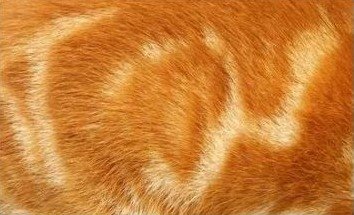
Classic tabby
Here you can see bold swirling or marble-like patterns on their sides, often forming a bullseye shape and very high contrast.
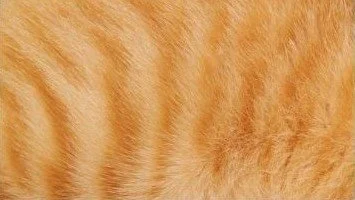
Mackerel tabby
Mackerel tabby’s are the most common. These have narrow vertical stripes running down the sides of the body with striping on the legs and tail.
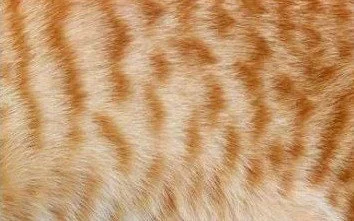
Spotted tabby
Spotted tabby’s have broken stripes that appear as spots along the body. These spots can be clearly defined or more irregular depending on genetics.
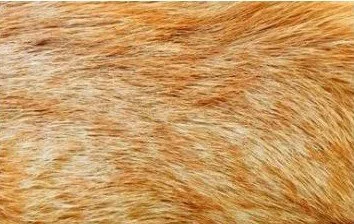
Ticked tabby
These guys are less common but do occur. Instead of strong body striping, each individual hair is banded with color, creating a more even appearance. Facial markings and leg striping are usually still present.
Silver Maine Coon Explained and How Silver Is Inherited
Silver is a modifier gene, commonly called the inhibitor gene.
In a silver tabby Maine Coon, the silver gene suppresses warm pigment at the base of each hair. The tabby stripes remain dark, while the background color becomes pale silver or white. This creates the crisp, high contrast silver tabby look many people are drawn to.
The silver gene is dominant, meaning a kitten only needs to inherit it from one parent to express it visually. However, the strength of expression can vary widely.
To visually appear as a silver tabby, the kitten must also be genetically tabby. Without tabby, silver does not present as striping.
Silver plus tabby equals silver tabby.
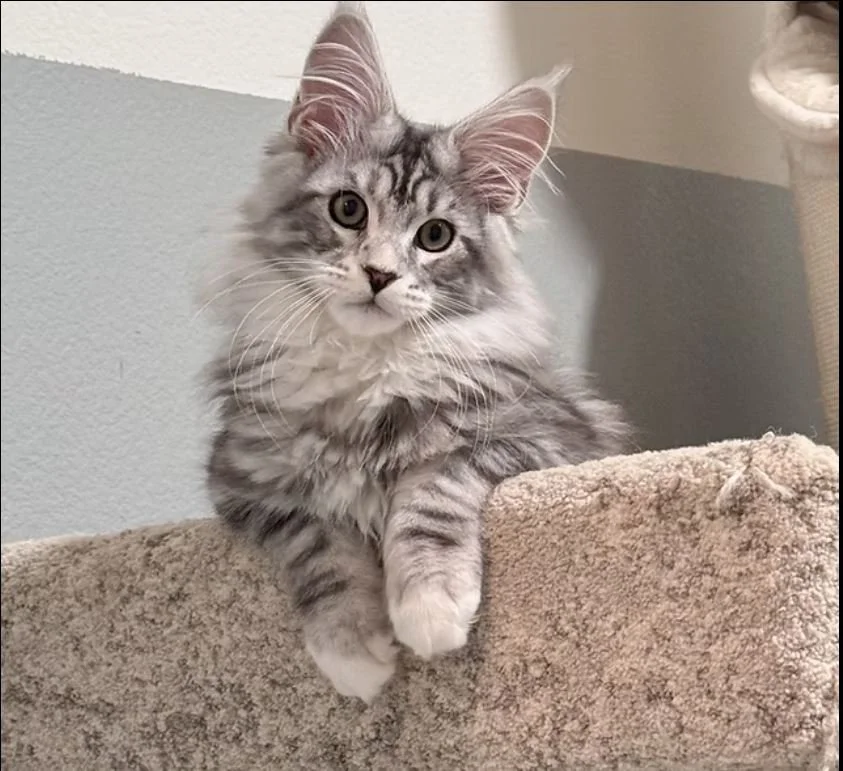
Silver Kitten
Smoke Maine Coon Explained and How Smoke Is Inherited
Smoke Maine Coons are often misunderstood because they look solid at first glance.
A smoke Maine Coon is genetically a solid cat with the silver gene. The same inhibitor gene is present, but because the cat is solid rather than tabby, there are no visible stripes.
Instead, the silver gene lightens the base of each hair shaft. The coat appears dark overall, but when the cat moves or the fur is parted, pale silver or white roots are revealed underneath. That contrast creates the smoky effect.
Smoke is inherited through the same dominant silver gene as silver tabbies. The difference is not the gene itself, but the pattern it is paired with.
If a kitten inherits the silver gene and is genetically solid, it will be smoke.
If a kitten inherits the silver gene and is genetically tabby, it will be silver tabby.
Same gene. Different expression.
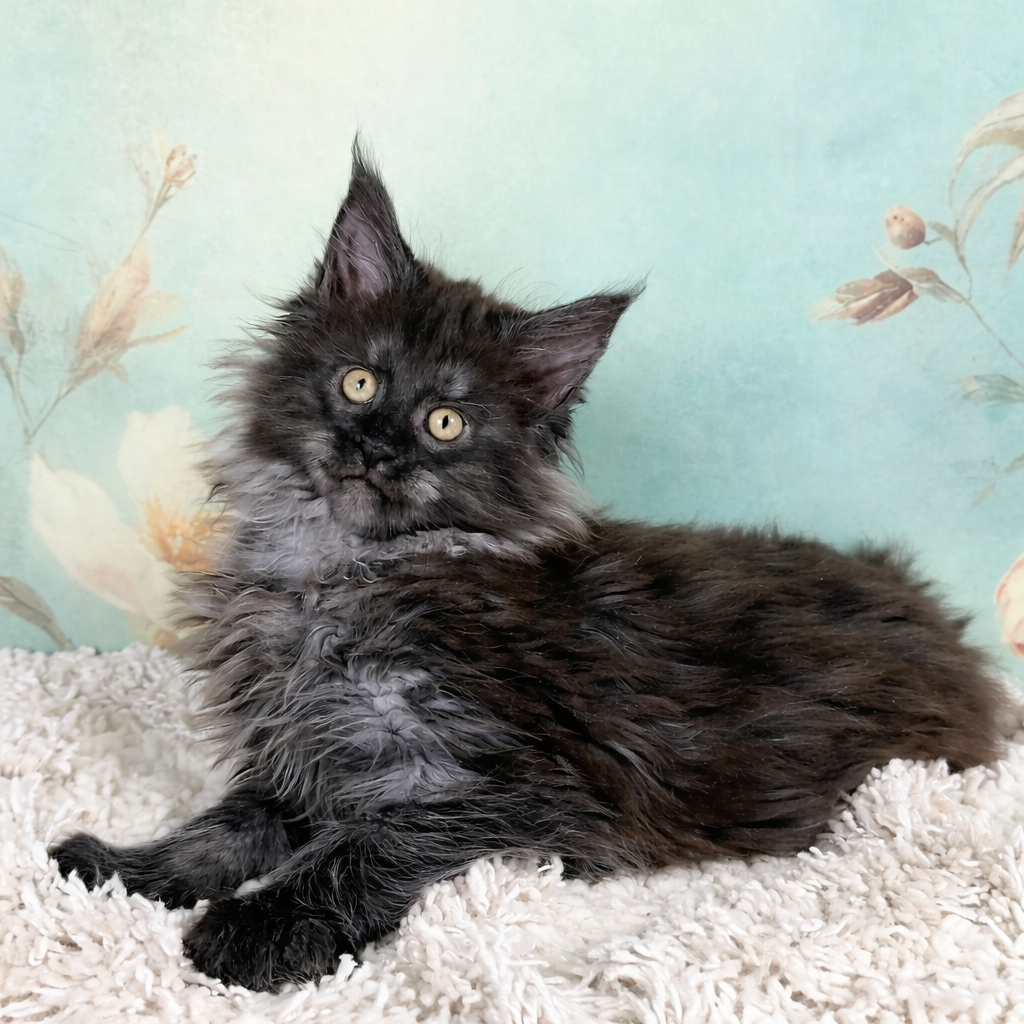
Smoke Kitten
High Silver and High Smoke Maine Coons Explained
You will sometimes hear the terms high silver or high smoke. These are not separate colors or special mutations. They describe how strongly the silver gene is expressed.
High silver Maine Coons are silver tabbies where the inhibitor gene affects a much larger portion of the hair shaft. The pale silver extends farther up the hair, pushing the dark pigment toward the tips. This creates an extremely light appearance with bold markings.
High smoke Maine Coons follow the same principle on a solid patterned cat. The silver roots extend much farther up the hair shaft, creating dramatic flashes of silver when the cat moves. Some high smoke cats can look nearly solid when still and almost silver in motion.
Both high silver and high smoke are produced through selective breeding for strong silver expression, not through a separate gene.
Where Tortoiseshell, Bicolor, and Particolor Fit In
This is where a lot of people get tripped up, so here is the key thing to understand.
Tortie and white do not replace silver, smoke, or tabby. They layer on top of them.
Tortoiseshell also is not a color by itself. It is the result of red based and black based color appearing on the same cat, which is why tortoiseshell Maine Coons are almost always female. Because girls get a color gene from each parent where as boys only get one.
A tortoiseshell Maine Coon can also be silver, smoke, or tabby depending on the pattern and whether the silver gene is present. That is how you get silver torties or smoke torties.
The silver gene affects the black based areas of the coat, while the red areas express differently. This is why torties can look especially complex and why no two ever look the same.
Bicolor and Particolor Maine Coons
Bicolor and particolor describe the white spotting gene, not the underlying color genetics.
White does not change what color the cat is genetically. It simply masks whatever color or pattern would have appeared underneath.
That means a Maine Coon can be:
Silver bicolor
Smoke bicolor
Tabby with white
Tortie with white
Particolor is simply a broader term that refers to varying degrees of white spotting, from a small chest blaze to high white patterns. The inheritance rules for silver, smoke, tabby, and tortie stay exactly the same underneath the white.
Testing for the Silver Gene A Note for Breeders
This section is specifically for breeders who want certainty rather than educated guesswork.
At this time, the only laboratory offering direct genetic testing for the silver inhibitor gene is the University of Missouri College of Veterinary Medicine, through their Feline Genetics and Comparative Medicine Laboratory.
This test allows breeders to confirm whether a cat carries the silver gene, even when it is not visually obvious. This is especially valuable for:
Low contrast silver cats
Smoke cats that resemble solids
Breeding programs focused on silver or high silver expression
Red based cats where silver expression can be harder to identify visually
It is important to note that this test identifies the presence of the silver gene, not the strength of expression. High silver and high smoke are still determined by lineage and selective breeding, not by a separate genetic marker.
For breeders working seriously with silver lines, this testing provides clarity, accuracy, and better long term breeding decisions.
Why Age and Lighting Affect Silver and Smoke Maine Coons
Silver and smoke coats often change as kittens mature.
Silver tabby kittens may appear darker early on and lighten as their adult coat develops. Smoke kittens may look almost solid until coat length increases enough to clearly reveal silver roots.
Lighting also plays a major role. Natural light almost always reveals contrast more accurately than indoor lighting. This is why reputable breeders rely on multiple photos, videos, and genetic context rather than a single image.
Final Thoughts From Me to You
Let me tell you a quick story.
Almost every year, someone sends me photos of two kittens and asks, “Which one is silver and which one is smoke?” And nine times out of ten, they’re convinced the answer will change the rarity, or somehow reveal a “better” kitten.
Here’s the truth.
Silver, smoke, and tabby Maine Coons are all absolutely beautiful but they are not interchangeable terms, and they’re definitely not magic labels.
Tabby is the pattern.
Silver is a modifier.
Smoke is simply a solid cat expressing the silver gene at the root.
That’s it. No mystery. No secret breeder language.
What people call high silver or high smoke is just the strongest expression of the same gene, not a different color or a separate category.
Once you stop looking at coats and start seeing them as layers of a cake or sandwich, everything suddenly becomes much easier to understand and far less intimidating.
Beautiful cats come from knowledgeable breeders. Always.