Understanding Dilute vs Non-Dilute Maine Coons
(Why Black Turns Blue, Red Turns Cream, and Genetics Love to Surprise You)
This is one of those Maine Coon topics that sounds way more complicated than it actually is.
Common questions I have gotten.
“Why does this kitten look gray instead of black?”
“Is cream just a lighter red?”
“How did two dark cats make pale kittens?”
The answer is almost always the same. Dilution.
So let’s break this down the way I explain it to buyers and future owners. No jargon overload, no guessing games, and no pretending this is magic. Just genetics doing what genetics does.
What Does Dilute Mean in Maine Coons?
Dilute refers to a specific recessive gene that softens color.
When a Maine Coon inherits the dilute gene from both parents, the pigment in the hair is spread out rather than tightly packed. The color is still the same genetically, it just appears lighter and softer to the eye.
Think of it like turning down the saturation on a photo. Nothing changes about the image itself. It just looks different.
Dilute vs Non-Dilute Colors Explained Simply
Here is the easiest way to understand it.
Non-dilute colors are the fully saturated versions.
Dilute colors are their softened counterparts.
Black becomes blue
Red becomes cream
Chocolate becomes lilac (not really seen in Maine Coons)
Cinnamon becomes fawn (not really seen in Maine Coons)
In Maine Coons, you will most commonly see black and red based colors, so blue and cream are the dilutes people encounter most often.
A blue Maine Coon is not gray.
A cream Maine Coon is not beige.
They are genetically black and red, just expressed through dilution.
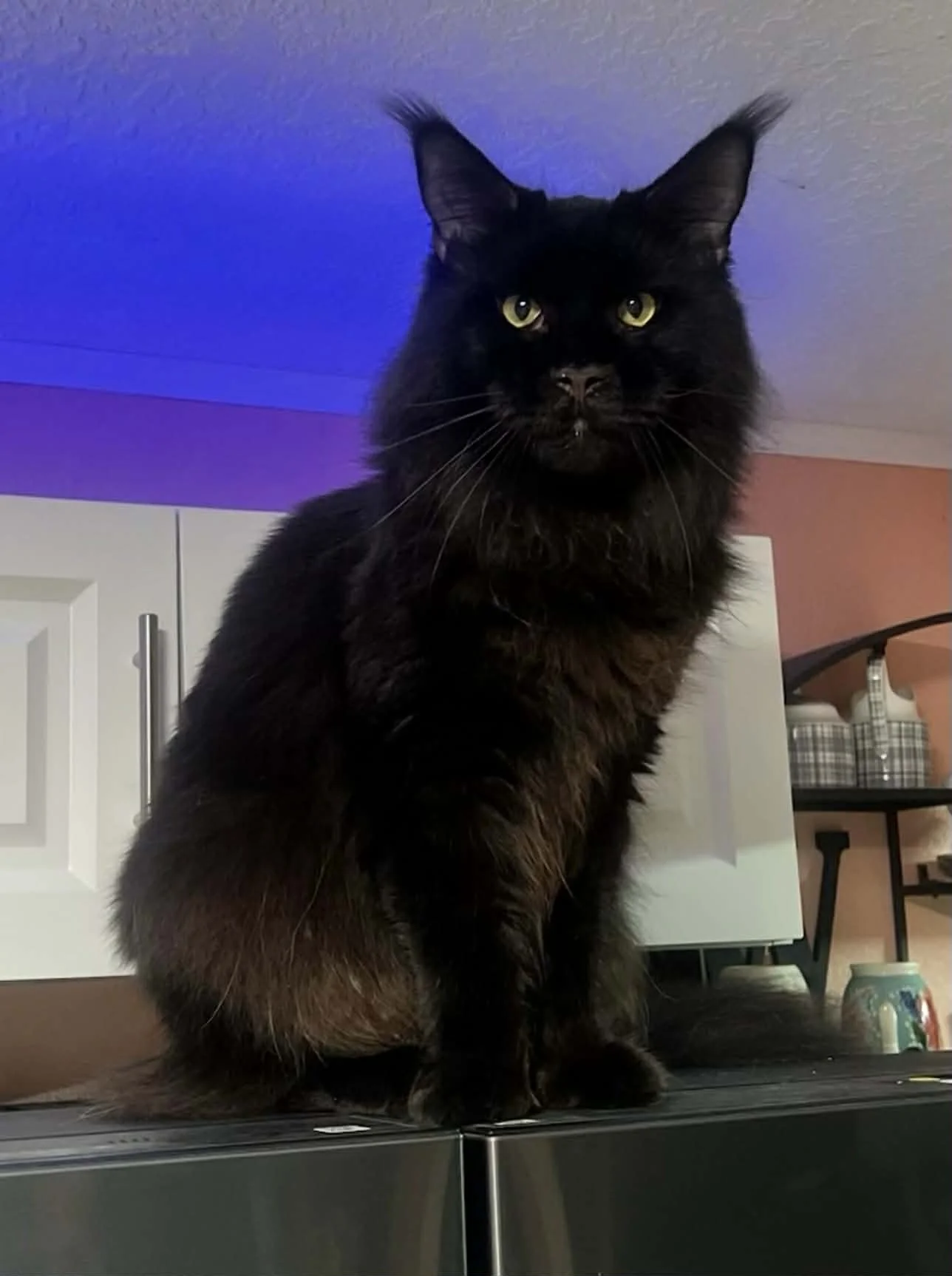
This is a solid black Maine coon with no dilute. Credit: (Grudge) Aristomoon Maine Coons
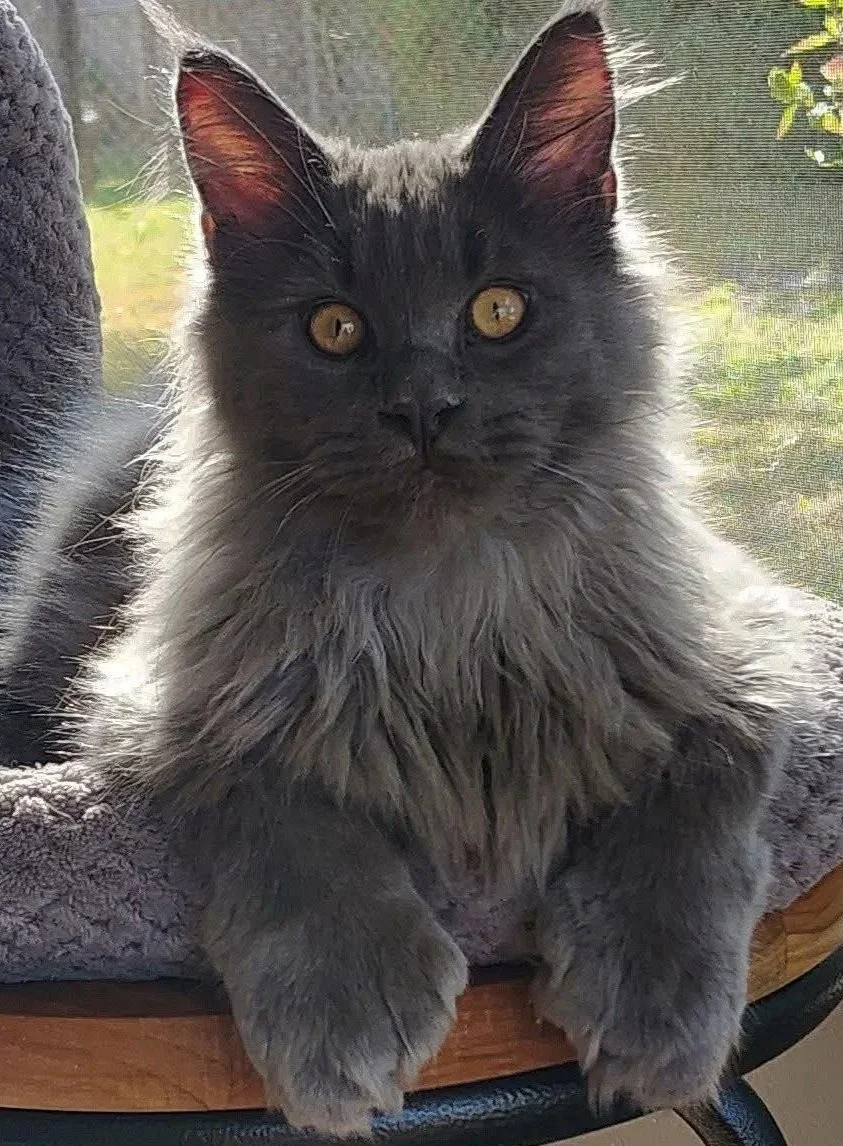
Here this is a solid Blue. Credit: (Beauwolf) Aristomoon Maine Coons
How Is Dilution Inherited?
This is the part that matters most for my breeder friends out there.
The dilute gene is recessive. That means a kitten must inherit it from both parents to visually show dilution.
There are three possible outcomes.
If neither parent carries dilute, no kittens will be dilute.
If one parent carries dilute, kittens will not be dilute but may carry it. (Would be something like Dd)
If both parents carry dilute, all kittens will be dilute.
This is why dilute kittens can feel like surprises, even in well planned breeding’s. They are not random. They are simply recessive genetics showing themselves.
This is also why its important for breeders track what their cats carry genetically, not just what they look like.
Dilute Tabby, Dilute Silver, and Dilute Smoke
Dilution does not exist on its own. If you’ve been following the blog you’ll know that it layers on top of everything else.
A tabby can be dilute, creating blue tabby or cream tabby.
A silver can be dilute, producing blue silver or cream silver.
A smoke can be dilute, creating blue smoke or cream smoke.
The pattern and modifiers stay the same. Dilution only affects color intensity.
Simple enough right?
Why Dilute Maine Coons Look So Soft?
One of the reasons people love dilute Maine Coons is their look.
Blue Maine Coons often appear smoky, velvety, or almost plush.
Cream Maine Coons tend to look warm, pastel, and glowing in natural light.
That softness is not just aesthetic. It is the visual effect of pigment being spread out along the hair shaft.
Same genetics. Different presentation but the coat is no different than a non dilute kitten.
Can You Predict Dilute Kittens?
To a degree, yes.
If you know whether both parents carry dilute, you can predict whether dilute kittens are possible, but you cannot guarantee exact outcomes every time. Genetics works in probabilities, not promises.
The big exception is when both parents are visually dilute, because a dilute Maine Coon must have two copies of the dilute gene. So if you breed two blues or two creams together, all kittens will express blue or cream dilute.
That does not mean all kittens will look identical though, and it is also where people get tripped up. If you breed blue to cream, every kitten will still be dilute, but what they express can shift based on sex linked red genetics, plus patterning and modifiers.
For example, a cream parent carries red, and red is sex linked, so the kitten’s sex influences whether you get cream, blue, or a combination like tortie in females. Then you add layers like tabby versus solid, silver versus non silver, and white spotting. A cream with white or a blue with white can produce kittens that look very different even though they are all dilute.
So yes, two dilute parents means all kittens are dilute, but the final look still depends on sex linked inheritance and the other genetic layers sitting on top of dilution.
Anyone guaranteeing specific colors with specific sex’s without explaining carry statistics is essentially just guessing.
Does Dilute Affect Health or Temperament?
Short answer: No
Dilution affects color only.
It has no impact on health, size, temperament, or quality.
A blue Maine Coon is not healthier or weaker than a black one.
A cream Maine Coon is not calmer than a red one.
Those are myths. Personality comes from genetics and early socialization, not coat color.
Why Dilution Matters to Buyers?
Understanding dilute versus non dilute helps buyers ask better questions.
It helps you understand why kittens look the way they do, why pricing sometimes varies, and why a breeder talks about what their cats carry instead of just what they see. Often you’ll hear the term “carrier” which as discussed earlier means they have one copy of the dilute gene.
It also helps you avoid buying a smoke kitten vs a blue that you actually wanted.
Final Thoughts From Me to You
Dilute Maine Coons are beautiful. Non dilute Maine Coons are beautiful. One is not better than the other its just preference.
Dilution is just genetics turning the volume down on color.
Once you understand that, black turning blue and red turning cream stops feeling mysterious and starts feeling kind of fascinating.
Want to know what one of my all time favorite cats is? A blue cream tortie with a split face, I don’t currently have one in my breeding program but plan to in the near future so keep an eye out.